

AI / Product
StationOps worked with DigiPro to establish reliability baselines, improve deployment confidence, and reduce operational toil so the team could focus on product growth.
Engagement
12 weeks, embedded delivery
Team
Platform lead, SRE, Cloud engineer
Focus areas
Reliability, observability, release velocity
40%
Faster release cycle
60%
Fewer production incidents
25%
Infra cost reduction
3×
Observability coverage

Situation
DigiPro is an AI-driven product company scaling under growing traffic and feature demand. Engineering was spending more time firefighting production issues than shipping product — and lacked the observability, release safety, and cost controls to change that.
Reliability
No formal SLOs, alerting driven by infrastructure noise, slow incident triage.
Observability
Fragmented logging, limited tracing, no correlation between product impact and platform signals.
Releases
Manual and high-risk deployments, no staged rollouts, low deployment frequency.
Cost
Over-provisioned infrastructure with no spend visibility or ownership per team.
What we did
01 Reliability baseline & SLO architecture
Defined service-level objectives across critical product paths — API latency, error budgets, and data-pipeline freshness. Rebuilt alerting around user impact rather than infrastructure noise, cutting false positives and giving on-call engineers a clear signal during incidents.
02 Observability stack
Instrumented traces, structured logs, and application-level metrics across core services. Aligned dashboards to product and platform ownership so each team could see the health of their domain without digging through unrelated noise.
03 Release & deployment confidence
Introduced staged rollouts, automated smoke tests, and deployment guardrails into the CI/CD pipeline. Reduced the blast radius of bad deploys and gave the team confidence to ship more frequently.
04 Cost & capacity optimisation
Right-sized compute for AI and data-processing workloads, removed idle capacity, and introduced spend-accountability dashboards per engineering domain — locking in a structurally lower cost base as usage grew.
DigiPro — delivery summary
Over twelve weeks we embedded SLO-based reliability, full-stack observability (traces, logs, metrics), CI/CD guardrails with staged rollouts and smoke tests, and per-domain cost accountability — then transferred ownership through runbooks and workshops.
Below is the full published narrative: situation assessment, each workstream, deliverables, week-by-week timeline, ROI comparison, outcomes, and customer quote.
Deliverables
- SLO framework — service-level objectives for critical product paths with error-budget tracking and alerting.
- Observability platform — traces, structured logs, and application metrics aligned to product and platform team ownership.
- Incident operations playbook — runbooks for triage, escalation, post-incident review, and learning loops.
- CI/CD release guardrails — staged rollouts, automated smoke tests, and deployment gates integrated into the pipeline.
- Cost & capacity dashboards — per-team spend visibility and right-sizing recommendations for AI and data workloads.
- Internal enablement workshops — hands-on sessions so the team could own the operating model independently.
Technologies & approach (at a glance)
Service-level objectives and error budgets; user-impact–based alerting; distributed tracing, structured logging, and application metrics with dashboards mapped to product/platform ownership; CI/CD with staged rollouts, automated smoke tests, and deployment gates; capacity right-sizing and per-team spend dashboards for AI and data workloads.

Timeline
Twelve weeks from initial discovery to full operating-model handoff, with measurable improvements visible by week six.
Weeks 1–3 Discovery & baseline
Service mapping, failure-mode inventory, SLO target definition, and observability gap analysis across all product-critical paths.
Weeks 4–6 Instrumentation & release safety
Observability stack deployed, SLO alerting live, CI/CD guardrails and staged rollouts integrated into the pipeline.
Weeks 7–9 Cost optimisation & hardening
Compute right-sizing, idle-capacity removal, spend dashboards deployed, and incident playbooks tested in production.
Weeks 10–12 Embed & transfer
Operating cadence embedded, enablement workshops delivered, and full knowledge transfer to the DigiPro team.
Impact & ROI
DigiPro’s engineering team went from spending the majority of their time firefighting to shipping product again. The 25% infrastructure cost reduction alone began paying back the engagement within the first quarter — and the 60% drop in incidents unlocked capacity that would have cost multiples of the engagement fee to hire.
Building this internally — hiring an SRE, standing up observability, defining SLOs, and reworking CI/CD — would have taken far longer and pulled senior engineers off product for months.
| Dimension | Typical internal, manual build | With StationOps engagement |
|---|---|---|
| Timeline | 4–6 months to hire SRE capacity, instrument services, define SLOs, and rework CI/CD. | 12 weeks — measurable improvements by week six, full operating model handed off. |
| Engineering effort | 3–6 person-months (≈ 480–960 hours) of senior engineers diverted from product. | Product team stayed on roadmap — StationOps delivered the platform work in parallel. |
| Fully-loaded cost | Roughly €50k–€120k in engineering time, plus ongoing cost of delayed features. | Engagement paid for itself through 25% infra savings and reclaimed engineering capacity. |
Figures shown are typical ranges for comparable work and will vary by baseline maturity, constraints, and team size.
- Engineering time reclaimed — 60% fewer production incidents freed the team to spend more time on product and less on firefighting.
- Faster, safer releases — 40% faster release cycles with staged rollouts and automated smoke tests reducing deployment risk.
- Full-stack observability — 3× observability coverage: every critical path instrumented with traces, logs, and metrics tied to product impact.
- Sustainable cost base — 25% infrastructure cost reduction through right-sizing and idle-capacity removal, with per-team spend visibility to prevent drift.
“StationOps gave us the reliability and observability foundation we needed to ship faster with confidence. Our team now owns the operating model.”
Want to ship faster without the firefighting?
We map the real risks in your stack and build an execution plan your team can own — reliability, observability, and cost controls included.
Related case studies
Assiduous
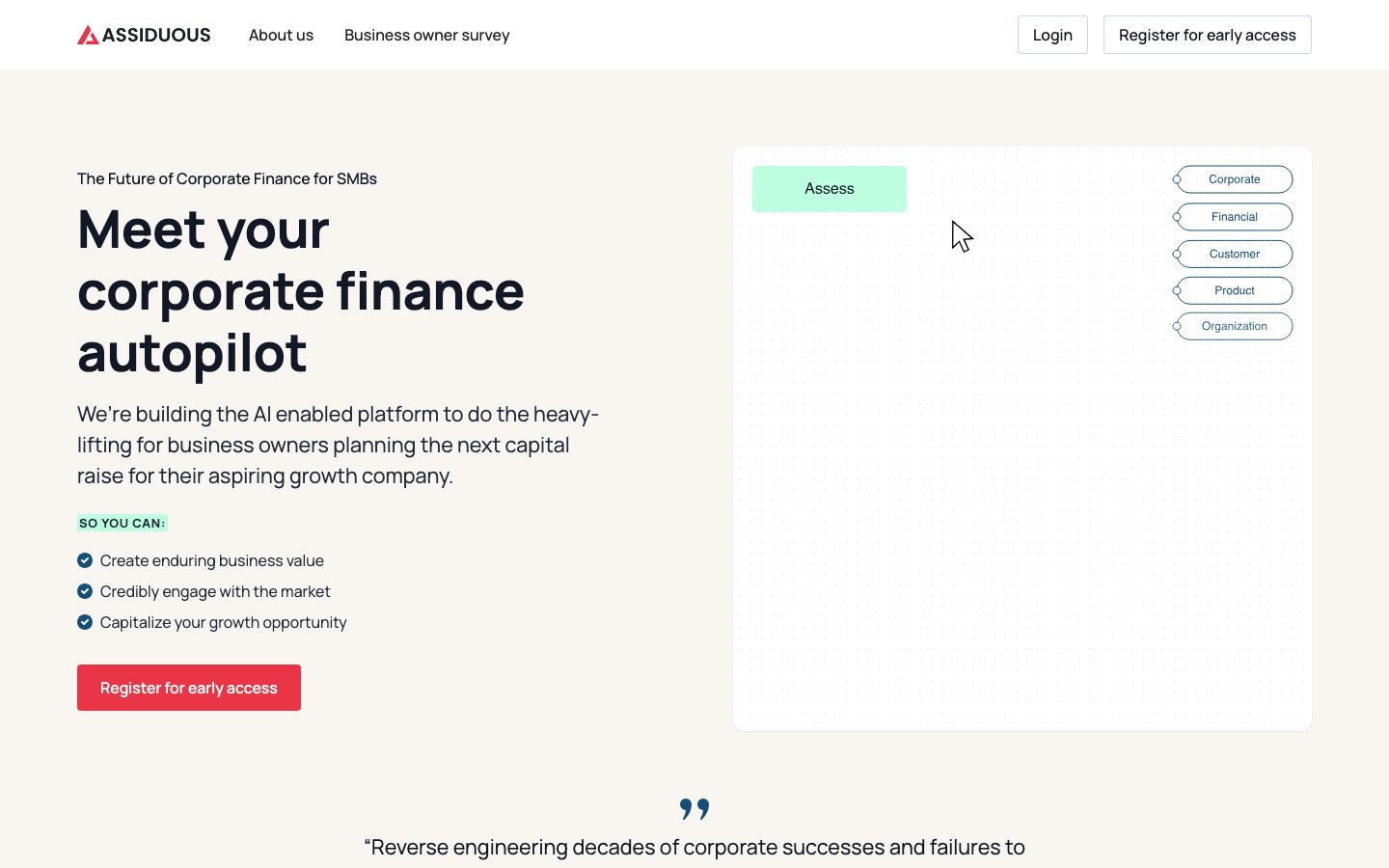
How StationOps delivered a six-account Control Tower Landing Zone, SLO-based operations, and ongoing managed AWS for an AI-enabled corporate finance platform — in weeks instead of months.
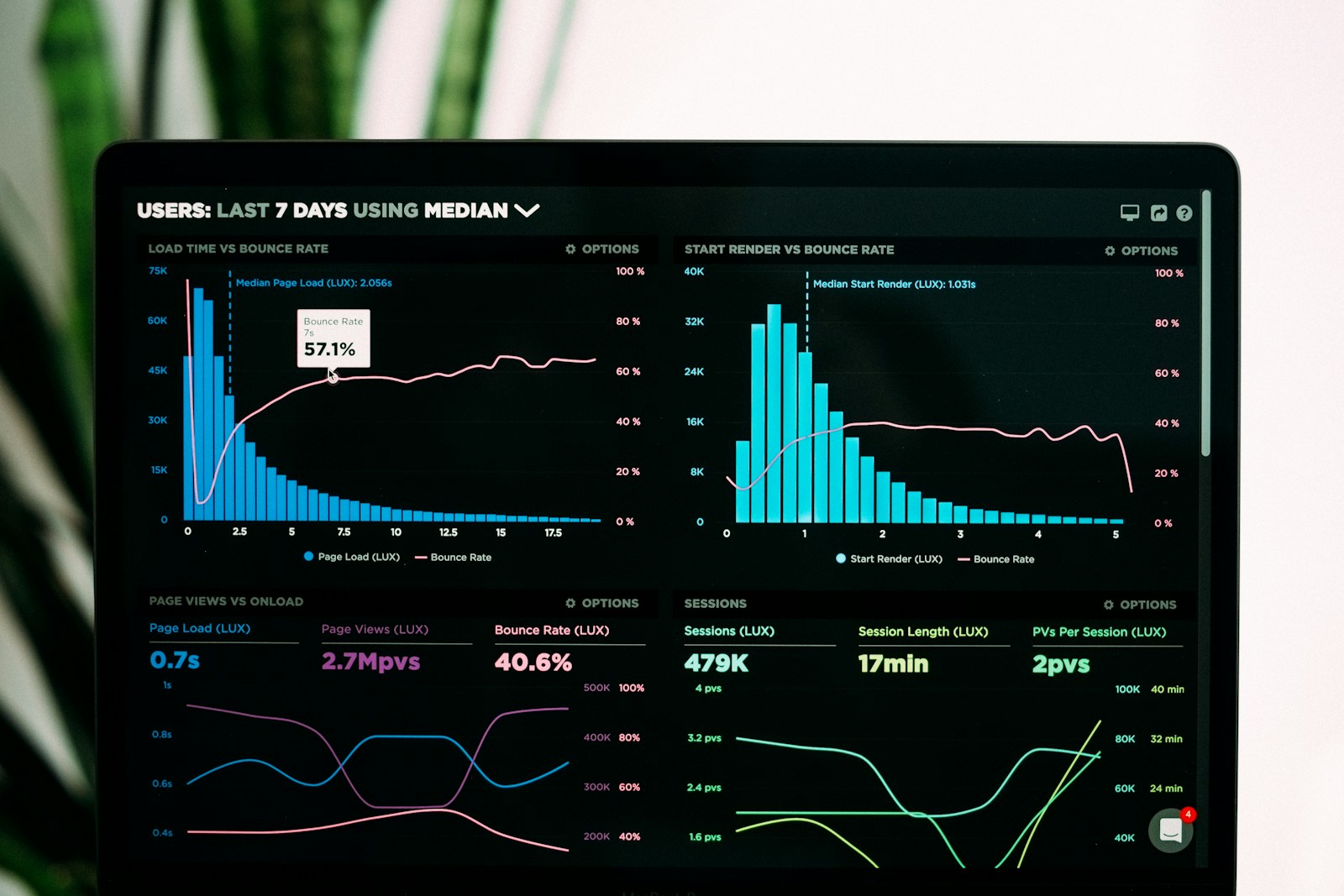
Auth.inc
How StationOps delivered a production multi-region AWS adtech platform — ECS, EKS, Aurora, MSK, CloudFormation, and CD from Azure Pipelines — in twelve weeks.
Flexiwage
How StationOps improved payroll pipeline availability, automated compliance evidence, cut MTTR and cloud spend, and doubled safe deploy frequency for Flexiwage in six weeks.
SimpleCGT
How SimpleCGT reached 99.9% uptime through filing season, cut P1/P2 incidents and infra cost, and embedded observability, SLOs, and governance in four weeks.